
Back to news
Structuring a Flexible Office Cleaning Contract Today
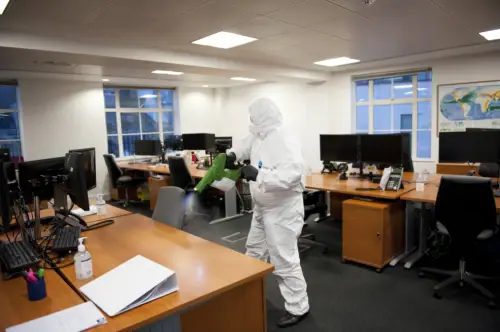
Co-working space community leads, hub managers, and flexible office operators face a distinct operational challenge: managing heavy, unpredictable footfall while maintaining an pristine, professional environment. Unlike traditional single-tenant corporate offices with static working hours, shared workspaces feature continuous movement, hot-desking, event spaces, and multi-user meeting rooms.
Standard, fixed cleaning schedules are rarely equipped to handle these variable demands. To protect member retention and maintain facility hygiene, operators require an adaptive, flexible office cleaning contract structured around rapid response, day porter integration, and dynamic shift patterns.
Traditional commercial cleaning agreements rely on fixed evening or early-morning visits. While this structure works for static corporate suites, it falls short in modern, dynamic hubs for several key reasons:
When multiple professionals share the same workstation, keyboard, or phone booth throughout the day, the risk of cross-contamination increases significantly. Waiting until the end of the day to clean shared desks creates hygiene concerns for members.
Co-working hubs frequently host networking breakfasts, evening workshops, and community socials. A rigid cleaning contract cannot easily adapt to late-night post-event resets or early-morning setup requirements.
High-use communal zones, including coffee bars, kitchens, call booths, and restrooms, require ongoing care throughout peak operational hours to prevent messy conditions that negatively affect prospective member tours.
When structuring an adaptable cleaning agreement for your co-working space, ensure the following core frameworks are integrated into the specification:
Your contract should allow for fluid scheduling adjustments. This includes combining quiet out-of-hours deep cleaning with daytime touchpoint maintenance, ensuring event spaces are reset without incurring excessive variation charges.
A dedicated daytime janitorial host or day porter provides continuous support during peak trading hours. Day porters manage coffee station cleanliness, monitor restroom consumable levels, sanitise call booths between uses, and maintain a welcoming reception area.
Unexpected spills, catering mishaps, or washroom issues demand immediate action. Structure your Service Level Agreement to include defined response windows for emergency site requests, ensuring minimal disruption to working members.
Cleaners working in active co-working environments interact directly with your members. Operatives must be background-checked, professionally uniformed, and trained to operate quietly and courteously in open-plan areas.
At Integra Cleaning Group, we specialise in supporting flexible workspaces, co-working hubs, and innovation centers across London and Kent. We provide dynamic rapid-response scheduling with fully vetted, professional personnel trained specifically for high-traffic environments. Led by Commercial Director Stephen Lynch, our five-minute response guarantee ensures hub managers receive immediate support for urgent site requests, backed by our central headquarters in Rainham (RM13 9XX).
"Integra Cleaning Group understands the standards our business requires. Their attention to detail and professional approach are exceptional."
— Ian Harris, Chief Executive Officer, CBHC
1. What is the role of a day porter in a co-working space?
A day porter acts as an on-site janitorial host during operational hours, continuously maintaining washrooms, clearing kitchenettes, sanitising phone booths, and keeping common lounges show-ready for member tours.
2. How do flexible cleaning contracts handle unexpected events?
A well-structured contract incorporates flexible shift allowances or pre-agreed hourly event rates, allowing hub managers to book post-event resets without renegotiating the core contract.
3. Are all cleaning operatives vetted for open-plan workspace security?
Yes. Every staff member assigned to flexible office sites undergoes identity verification, background checks, and customer service induction to operate securely around member belongings and confidential work.
Discover how a tailored, flexible cleaning contract can enhance member satisfaction and elevate your shared workspace. Contact Integra Cleaning Group today to arrange a site assessment and receive a custom proposal.
Powered by People. Driven by Integrity.