
Back to news
Understanding UK School Cleaning Compliance Guidelines
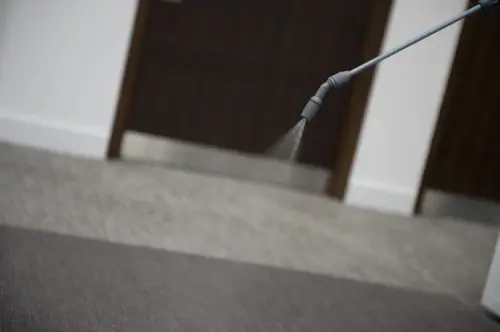
For bursars, business managers, and headteachers across UK primary, secondary, and independent schools, maintaining a safe, hygienic environment is a foundational duty of care. Educational facilities present unique hygiene challenges: high pupil density, continuous movement across shared classrooms, and heavy seasonal illness outbreaks.
Navigating school cleaning compliance guidelines requires strict adherence to statutory health and safety legislation, safeguarding regulations, and documented hygiene standards. Partnering with a professional, fully vetted cleaning provider ensures that your school remains safe, compliant, and fully prepared for local authority, CQC, or Ofsted operational inspections.
To meet statutory guidelines and protect pupil and staff well-being, educational cleaning contracts must be built around four primary compliance pillars:
Safeguarding is paramount across all educational settings. Under UK safeguarding legislation, every cleaning operative working on school grounds during, before, or after school hours must undergo an Enhanced Disclosure and Barring Service (DBS) check. Contractors must maintain an accessible, up-to-date Single Central Record (SCR) verifying that all staff have passed background checks, identity verification, and safeguarding inductions prior to site placement.
Schools must comply strictly with the Control of Substances Hazardous to Health (COSHH) Regulations 2002. All cleaning products stored on school premises must have corresponding COSHH safety data sheets kept in locked, labeled janitorial stores. Chemicals used in pupil-accessible areas must be non-toxic, correctly diluted via automatic dosing systems, and stored away from children at all times.
Preventing cross-contamination in educational environments demands structured, color-coded cleaning routines. High-touch elements—including door handles, desk surfaces, interactive whiteboards, computer mice, and washroom fixtures—require daily sanitisation using BS EN 1276 (bactericidal) and BS EN 14476 (virucidal) certified agents.
During seasonal outbreaks of Norovirus, Influenza, or stomach bugs, schools require clear, pre-planned infection control protocols. Cleaning contractors must have the rapid-response capacity to execute deep-cleaning operations, bio-hazard clearance, and fogging treatments to contain viral spread and minimise school closure days.
School business leaders should use this checklist during monthly compliance reviews with their cleaning contractor:
At Integra Cleaning Group, we understand the critical responsibilities facing school business managers and bursars. We provide fully enhanced DBS-cleared cleaning teams trained specifically in educational hygiene and COSHH safe practices. Led by Commercial Director Stephen Lynch, our five-minute response promise guarantees immediate support for school management, backed by our central operations hub in Rainham (RM13 9XX) serving London and Essex schools.
"Integra Cleaning Group understands the standards our business requires. Their attention to detail and professional approach are exceptional."
— Ian Harris, Chief Executive Officer, CBHC
Yes. Every operative assigned to educational facilities undergoes an Enhanced DBS check, identity verification, and safeguarding induction before stepping foot on school property.
All products must comply with COSHH regulations, be supported by on-site safety data sheets, and meet BS EN 1276 and BS EN 14476 standards for effective pathogen elimination without relying on hazardous toxins.
Under Stephen Lynch’s leadership, we promise a five-minute callback guarantee. Our Rainham headquarters enables us to quickly deploy mobile emergency response teams equipped for deep sanitisation.
Protect your pupils, staff, and school reputation with an experienced, fully compliant educational cleaning partner. Contact Integra Cleaning Group today to schedule a site review and receive a tailored school cleaning proposal.
Powered by People. Driven by Integrity.