
Back to news
How Autonomous Floor Scrubbers Benefit Large Offices
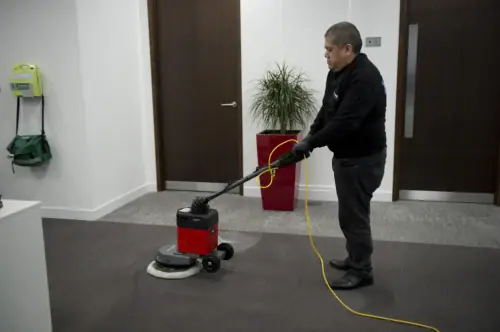
The commercial facilities management sector is experiencing a quiet, technology-driven evolution. As corporate organizations face rising operational costs, changing workplace footprints, and increased hygiene expectations, traditional, manual-only cleaning methods are being updated to incorporate modern automated systems.
For logistics hubs, corporate headquarters, and high-occupancy office buildings, the integration of robotic technology is delivering significant improvements in efficiency.
Among these smart technologies, the autonomous floor scrubber commercial system has emerged as a key asset for modern building managers.
In this article, we will examine the technology behind automated floor maintenance. We will discuss the resource efficiencies and water savings these systems offer, and explore how combining smart technology with human expertise creates cleaner, more compliant workspaces.
Modern autonomous floor scrubbers are highly advanced, data-driven systems designed to navigate complex commercial layouts safely and efficiently. Unlike early automated models, today's industrial cleaning robots rely on sophisticated navigation and safety systems:
This combination of sensors and software allows the equipment to operate safely in busy office lobbies, expansive warehouse aisles, and high-footfall common corridors, delivering consistent results every shift.
One of the most compelling reasons to integrate autonomous floor scrubbers into your facility management plan is the significant, measurable resource savings they deliver:
Traditional hard floor mopping or manual walk-behind scrubbing can consume vast amounts of water and cleaning chemicals. Advanced autonomous floor scrubbers feature smart onboard water-recycling systems. These systems filter, clean, and reuse water during the scrubbing cycle, reducing overall water and detergent consumption by up to 90 percent compared to traditional methods.
For corporate property managers working to maintain green building credentials, these water savings are highly valuable. The reduction in water waste and chemical usage supports points categories within both BREEAM and LEED rating frameworks, helping your facility meet its environmental and sustainability benchmarks.
Autonomous systems record detailed data for every cleaning run, including exact coverage maps, water usage, and total operating times. This information is sent directly to your facility dashboard, providing clear, auditable proof of cleaning compliance for your records.
A common misconception is that introducing robotic cleaning systems eliminates the need for human staff. In practice, the most effective commercial cleaning programs rely on a collaborative, human-machine partnership.
By assigning large, repetitive floor cleaning tasks to autonomous scrubbers and vacuum systems, your cleaning team is freed up to focus on high-value detail work that requires human dexterity and decision-making:
This balanced approach ensures your entire facility receives thorough, high-quality care, maximizing productivity and keeping cleaning standards high.
As modern facilities management moves toward data-driven, sustainable operations, the use of smart cleaning technologies is becoming standard practice. Implementing autonomous floor scrubbers in your facility helps maintain clean, dry, and safe walkway surfaces, reduces water waste, and optimizes your cleaning staff's time.
Find out how integrating smart technology can improve cleaning consistency and resource efficiency across your commercial properties.
Powered by People. Driven by Integrity.